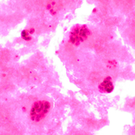
A study published in the August issue of the Journal of Occupational and Environmental Medicine reported a high frequency of multiple myeloma cases observed among World Trade Center responders for September 11.
The six-year study observed 28,252 emergency responders for ground zero at the World Trade Center site. Researchers identified eight cases of myeloma, which was only slightly higher than the statistically expected number of seven cases. However, four of the responders diagnosed with myeloma were under the age …
Read the full story »
On August 2, The New York Times reported that the greatest barrier to the war on cancer is the lack of volunteers for cancer treatment studies. Although multiple myeloma was not mentioned specifically in the article, clinical trials for new drugs are significant for patients of all cancer types.
Even though considerable knowledge has emerged on the genetic origins of cancer since Richard Nixon declared war on cancer, the death rates from the disease have barely changed since his presidency …
Read the full story »
A recent study, published in the journal Leukemia & Lymphoma, assessed the toxicity and effectiveness of a second autologous peripheral blood stem cell transplant (APBSCT) in myeloma patients who relapsed or progressed after an initial APBSCT.
It has become increasingly more common for patients to receive a second APBSCT, either within six months of the first one without any myeloma relapse or progression between transplants – or as a salvage therapy following relapse or progression after the first transplant. This …
Read the full story »
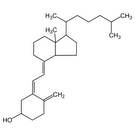
Vitamin D deficiency may be a significant cause of skeletal complications in multiple myeloma patients, according to a recent study published in the American Journal of Hematology. Skeletal complications, which include hypercalcemia (high calcium levels), bone loss, and osteolytic bone lesions, are a major cause of morbidity in multiple myeloma.
"Bone health is very important for quality of life in patients with myeloma, due to lytic lesions and an increased risk of fracture," explains Dr. Matthew Drake, an author of …
Read the full story »
A new study appearing in the July 9 issue of Blood discussed a potential therapeutic treatment that focuses on osteoblasts, the cells responsible for bone formation.
Myeloma patients commonly have high serum DKK1 levels, which may decrease with response to therapy for myeloma. DKK1, an important regulator of bone formation, has previously been associated with bone disease in cancers of the esophagus, lungs, prostate, and colon. However, DKK1 has recently emerged as a therapeutic target for suppressed bone formation. The …
Read the full story »
Kidney failure, which affects 20 percent of all multiple myeloma patients, is a serious complication that can lead to permanent kidney impairment and continued reliance on dialysis. However, a wide range of treatment options is available to myeloma patients experiencing kidney failure. Successful treatment methods include rehydration, correction of hypercalcemia (a condition that results in high serum calcium levels), and discontinuation of non-steroidal, anti-inflammatory drugs (such as aspirin or ibuprofen), that reduce blood flow to the kidneys.
A common complication …
Read the full story »
The paired use of novel drug agents and autologous stem cell transplantation (ASCT) may not be as effective as formerly believed, according to the June issue of the journal Blood.
Treatment for multiple myeloma commonly integrates high dose therapy of novel drug agents with ASCT. However, an article printed in Blood shows that initial treatment with Revlimid (lenalidomide), one of the novel drug agents, corresponds with inhibition of stem cell mobilization and collection for ASCT.
The introduction of …
Read the full story »