Vitamin D and calcium supplements may be used together to prevent cancer, including multiple myeloma, according to an article in the September issue of the journal Anticancer Research.
Many scientists cite vitamin D deficiency as a risk factor for several types of cancer. In fact, research has indicated that people who maintain high levels of vitamin D may reduce their risk of breast cancer by up to 70 percent. Other studies have established a significant inverse relationship between UV-B exposure …
Read the full story »
On Monday, Amgen released results from its Phase 3 clinical trial that compared denosumab with Zometa (zoledronic acid) in multiple myeloma patients and advanced cancer patients whose tumors have spread to the bone. The results indicated that denosumab delayed skeletal related events in this group of cancer patients.
Bone tumors often weaken and destroy the bone surrounding the tumor, resulting in serious complications that include bone fractures, spinal cord compression, the need for radiation, and the …
Read the full story »
The U.S. Centers for Disease Control (CDC) recently announced a massive fall vaccination campaign against both the seasonal influenza virus and the H1N1 (swine flu) virus. Patients with multiple myeloma are recommended to receive both flu shots, in addition to a vaccine for pneumonia for influenza-related complications. The flu shots may be administered simultaneously at different injection sites on the body.
The H1N1 flu, which was initially referred to as swine flu, is responsible for thousands of hospitalizations and more …
Read the full story »
On September 2, Millennium: The Takeda Oncology Company reported that the company’s supplemental new drug application (sNDA) has been accepted for review by the U.S. Food and Drug Administration. The acceptance is based on the long-term overall survival data from the VISTA Phase 3 clinical trial that examined the use of Velcade (bortezomib) for treatment of previously-untreated multiple myeloma.
The VISTA trial compared a drug regimen of Velcade, melphalan (Alkeran), and prednisone with a drug regimen …
Read the full story »
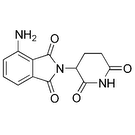
The Journal of Clinical Oncology has reported that a combination regimen of Actimid (pomalidomide) and low-dose dexamethasone (Decadron) in a Phase 2 clinical trial was highly effective in the treatment of relapsed and refractory multiple myeloma patients.
Actimid belongs to a class of therapeutic agents called immunomodulatory drugs (IMiDs), which are molecular analogs of thalidomide (Thalomid). Thalidomide acts on myeloma tumors by inhibiting the growth of new blood vessels. In addition to this mechanism, IMiDs prevent the …
Read the full story »
Pathologic fractures in myeloma patients undergoing bisphosphonate therapy do not indicate disease progression, according to a recent article published in the American Journal of Roentgenology.
Pathologic fractures are bone breaks in an area already weakened by another disease process. Myeloma tumors weaken bone, and pathologic fractures are frequent complications for myeloma patients. In fact, thirty percent of patients are diagnosed with myeloma after developing this type of fracture.
Bisphosphonates, given in conjunction with chemotherapy drugs, are the most common treatment …
Read the full story »
A Phase 1 clinical trial recently reported in the journal Clinical Cancer Research indicated that the novel drug combination of Velcade (bortezomib) and Zolinza (vorinostat) may be effective in patients with relapsed or refractory myeloma.
Previous preclinical results suggested that Zolinza enhances Velcade’s therapeutic effect. However, this is the first clinical trial to describe the combination of a histone deacetylase (HDAC) inhibitor (Zolinza) and a proteasome inhibitor (Velcade) in heavily pre-treated relapsed or refractory myeloma patients. …
Read the full story »