

Articles tagged with: Stem Cell Transplant
NewsFlash »
Fewer Injection Site Reactions With Subcutaneous Velcade Administered To The Abdomen Instead Of The Thigh - Japanese researchers recently found that subcutaneous (under the skin) injections of Velcade (bortezomib) in the abdomen cause fewer injection site reactions compared to injections in the thigh. According to the Japanese researchers, the higher rates seen with injections to the thigh may be because the thigh contains less fat tissue than the abdomen. Based on their findings, they recommend administering subcutaneous Velcade to the abdomen, particularly in the case of thin patients. For more information, please see the study in The European Journal of Haematology (abstract).
Cereblon Levels May Affect Effectiveness Of Thalidomide – Results of a European retrospective analysis indicate that levels of the protein cereblon in patients’ myeloma cells may impact the efficacy of thalidomide (Thalomid). The researchers found that newly diagnosed multiple myeloma patients with high cereblon levels who received thalidomide maintenance had longer progression-free survival times than those with low cereblon levels. The researchers did not observe any association between cereblon levels and the effectiveness of Velcade maintenance therapy. Previous studies have shown that cereblon is necessary for the immunomodulatory drugs -- particularly Revlimid (lenalidomide) and pomalidomide -- to be effective against multiple myeloma (see related Beacon news article). For more information, please see the study in the journal Blood (abstract).
Latest Findings Show Kepivance May Not Decrease Mouth Ulcers In Myeloma Patients Undergoing High-Dose Chemotherapy – In contrast to previous findings, results from a recent Dutch study show that Kepivance (palifermin) has no effect on mouth ulcers in multiple myeloma receiving high-dose melphalan (Alkeran) prior to stem cell transplantation using their own stem cells. In the Dutch study, patients who received Kepivance had similar rates of mouth ulcers as patients who received a placebo. For more information, please see the study in the journal Bone Marrow Transplant (abstract).
Study Finds Association Between Myeloma And Certain Occupations – Results of another European analysis suggest that farmers, cleaning workers, and, to a certain extent, printers have an increased risk of developing multiple myeloma. The European researchers also found that pesticide exposure over a period of 10 years or more increased the risk of developing multiple myeloma. For more information, please see the study in the Journal of Occupational Medicine and Toxicology (pdf, full text).
News»

Yesterday was the second day of the 2012 American Society of Hematology (ASH) annual meeting. Although the myeloma-related sessions got a bit of a late start, the day featured a wide range of interesting presentations about multiple myeloma.
Many myeloma-related oral presentations were given in the afternoon and were summarized in updates published yesterday and earlier today.
During the evening yesterday, a poster session took place where important new research findings were summarized in posters displayed throughout a large conference hall. The studies covered a variety of myeloma-related topics, ranging …
News»
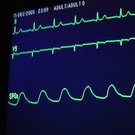
Results from a recent retrospective study indicate that multiple myeloma patients who receive stem cell transplants may be at greater risk than the general population of developing atrial fibrillation, the most common type of irregular heartbeat.
The researchers also found that myeloma patients with kidney failure, heart failure, or high blood pressure were at the greatest risk of developing atrial fibrillation after a stem cell transplant.
The researchers suggest that selecting appropriate patients for stem cell transplantation, correcting risk factors, and using preventative treatment may prevent the occurrence of irregular heart beat …
NewsFlash »
Itraconazole May Increase The Risk Of Early Peripheral Neuropathy In Myeloma Patients Receiving Velcade – Results of a recent Japanese study indicate that itraconazole (Sporanox), a medication used for the treatment of fungal infections, may increase a multiple myeloma patient’s risk of developing peripheral neuropathy during their first Velcade (bortezomib) treatment cycle. Peripheral neuropathy is a common side effect of Velcade that is characterized by pain and tingling in the extremities due to nerve damage. Based on their findings, the researchers recommend that the use of itraconazole should be avoided in patients receiving Velcade. For more information, please see the study in The International Journal of Hematology.
Myeloma Patients With Residual Disease After Initial Therapy May Require Additional Therapy Shortly After Transplant – French researchers recently evaluated the levels of myeloma cells and normal plasma cells seven days after stem cell transplantation for newly diagnosed multiple myeloma. Among patients who showed no residual myeloma cells after initial therapy, the researchers found that levels of myeloma cells remain undetectable seven days after stem cell transplantation. In addition, normal plasma cell levels increased threefold within seven days after stem cell transplantation in these patients. By comparison, among patients who showed residual myeloma cells after initial therapy, levels of myeloma cells were reduced but not eradicated seven days after stem cell transplantation. Normal plasma cell levels did not increase in these patients. Based on their findings, the researchers recommend that patients with residual disease receive additional therapy shortly after transplantation to kill off the remaining myeloma cells. For more information, please see the study in Oncotarget.
FLC Ratio May Be A Good Prognostic Marker For Progression From Smoldering To Active Myeloma – Researchers at the Mayo Clinic recently found that the free light chain (FLC) ratio may be a good prognostic marker for smoldering myeloma patients who are at high risk of progressing to active myeloma. The FLC assay is one of the standard blood tests used to diagnose multiple myeloma. Specifically, the researchers found that smoldering myeloma patients with a FLC ratio of 100 or higher progressed to active myeloma within a median of 15 months, compared to 55 months for smoldering myeloma patients with FLC ratio below 100. Based on their findings, the researchers recommend that smoldering myeloma patients with a FLC ratio of 100 or higher be treated early. For more information, please see the study in the journal Leukemia (abstract).
News»

Results of a recent small Australian study suggest that multiple myeloma patients who relapse within 12 months of their first transplant may benefit from a second transplant with melphalan plus Velcade as the intensive therapy immediately prior to their second transplant.
Based on these findings, the investigators propose that this regimen be further explored in the context of back-to-back stem cell transplants in patients who are at risk for an early relapse.
The study investigators note, however, that their study was small and retrospective in nature, and that a follow-up study with …
News»

Findings from a recent retrospective study indicate that a second autologous stem cell transplant may be an effective and safe salvage therapy for certain relapsed and refractory multiple myeloma patients.
In particular, the researchers found that the second stem cell transplant was particularly effective for patients who did not progress for at least 12 months following the first stem cell transplant.
For patients who relapse more quickly, the researchers recommend salvage therapy with novel agents, such as Velcade (bortezomib), thalidomide (Thalomid), Revlimid (lenalidomide), or investigational drugs.
High-dose chemotherapy followed …
Opinion»

A group of researchers in India published a study recently that had me jump to two conclusions.
Their research followed 170 autologous stem cell transplant patients over the years, starting around 1990, to see how these multiple myeloma patients fared.
There is, of course, good news and bad news.
The first takeway seems to be that you can make a case that things are getting better.
The research adds to the body of knowledge indicating that novel agents are leading to better response rates and increased overall survival for those who …
