

Articles tagged with: Melphalan
News, Resources»

Curcumin has been garnering increased attention as a potential anticancer treatment. It is the major active compound in turmeric, a popular Indian spice made from the rhizomes, or underground stalks, of a plant in the ginger family.
In multiple myeloma and the precursor condition monoclonal gammopathy of undetermined significance (MGUS), cell culture studies and one animal study have shown that curcumin can kill cancer cells and prevent them from multiplying. The Beacon also found two early-stage clinical trials studying curcumin’s effects in people with multiple myeloma and …
News»
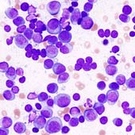
A recent study suggests that the addition of defibrotide to the combination regimen of melphalan (Alkeran), prednisone, and thalidomide (Thalomid) may result in fewer side effects in multiple myeloma patients. The Phase 1 clinical trial results were recently published in the journal Haematologica.
With the development of multiple myeloma therapies, the traditional melphalan-prednisone (MP) treatment regimen has been combined with substances such as Velcade (bortezomib) and thalidomide for more effective results. In particular, clinical trials have shown that these new combination treatments produce greater responses in patients …
News»

A combination regimen of Velcade (bortezomib), Doxil (pegylated liposomal doxorubicin), and dexamethasone (Decadron), known as the VDD regimen, followed by Revlimid (lenalidomide) after autologous stem cell transplantation (ASCT) is an effective therapy for untreated multiple myeloma patients, according to a study recently published in the Journal of Clinical Oncology.
Velcade is a highly active therapeutic agent in multiple myeloma patients. It suppresses tumor growth by inhibiting the enzymes that break down critical proteins in cancerous cells. Although Velcade is approved as a single agent, previous studies have suggested …
NewsFlash »
Panobinostat In Combination With Velcade Shows Potential For Relapsed Multiple Myeloma (ASH 2009) – Researchers presented results at the American Society of Hematology Meeting (ASH) from a Phase 1 clinical trial that show that oral panobinostat (Farydak, LBH589) in combination with intravenous Velcade (bortezomib) has anti-myeloma effects. Researchers tested different doses of both panobinostat (10 mg to 30 mg) and Velcade (1.0 mg/m2 to 1.3 mg/m2). They found frequent blood-related adverse events, such as thrombocytopenia (low blood platelet count) and neutropenia (low white blood cell count). They concluded that dosing will be modified for future Phase 2/3 studies. For more information, please see abstract 3852 on the ASH meeting Web site.
Afinitor Is Safe In Relapsed And Refractory Multiple Myeloma; Drug Will Move To Phase 2 Clinical Trials (ASH 2009) – Afinitor (everolimus) is safe in relapsed and refractory multiple myeloma, according to preliminary results from a Phase 1/2 clinical trial presented at the 2009 Meeting of the American Society of Hematology (ASH). Afinitor was given orally at 5 mg to 10 mg daily. Researchers observed only one case of thrombocytopenia (low platelet count). A sufficient amount of anti-myeloma activity was observed for this drug to continue to Phase 2 testing, which puts more emphasis on the efficacy of the drug. For more information, see abstract 3850 on the ASH annual meeting Web site.
ACE-011 Increases Hemoglobin And Helps Build Bone In Multiple Myeloma Patients Receiving Chemotherapy (ASH 2009) – Preliminary results from a study presented at the 2009 Meeting of the American Society of Hematology (ASH) reveal that ACE-011 (sotatercept) increases hemoglobin (an iron-rich protein in red blood cells) and bone formation, decreases bone pain, and has anti-tumor activity in multiple myeloma patients receiving chemotherapy. A low hemoglobin count indicates a low red blood cell count (anemia), which is a common complication in multiple myeloma, as are bone lesions, and bone pain. All participants were on a regimen of melphalan (Alkeran), prednisone, and thalidomide (Thalomid). For more information, see abstract 749 on the ASH meeting Web site.
Researchers Demonstrate Feasibility And Safety Of Vaccine In Multiple Myeloma (ASH 2009) – Preliminary results from a Phase 1 clinical trial of a multiple myeloma vaccine, presented at the 2009 Meeting of the American Society of Hematology (ASH), indicate that using a vaccine in multiple myeloma is possible and that it is safe and tolerable. The study included 15 patients who had undergone peripheral blood progenitor cell transplantation – a treatment in which stem cells are collected from the bloodstream of a healthy donor and delivered to the myeloma patient after high-dose chemotherapy. The most frequent side effects were local skin reactions, typical of most vaccines. Further studies will evaluate the vaccine’s full potential. For more information, see abstract 1858 on the ASH meeting Web site.
For more information about myeloma-related studies covered at ASH, please see the Myeloma Beacon coverage of the ASH 2009 Meeting.
News»

The results of a recent Phase 3 clinical trial indicate that treatment with high-dose melphalan (Alkeran) prior to a stem cell transplant results in a longer period of remission for myeloma patients than treatment with reduced-intensity melphalan. The differences in remission duration were larger for patients younger than 60 years old.
Based on the significant difference in progression-free survival between the two treatment groups, the researchers concluded that high-dose (200 mg/m2) melphalan is more effective in preparing younger, medically fit multiple myeloma patients for stem cell transplants. However, reduced-intensity (100 mg/m2) …
News»

The findings of a new study suggest that a combination regimen of Velcade (bortezomib), thalidomide (Thalomid), and prednisone, abbreviated as VTP, is as effective as the standard combination of Velcade, melphalan (Alkeran), and prednisone, abbreviated as VMP, in the treatment of elderly patients with multiple myeloma. The trial also discovered that the addition of maintenance therapy led to increased response rates. Researchers presented their Phase 3 study results at the American Society of Hematology’s (ASH) 51st annual meeting in December.
While VMP without maintenance therapy currently is one …
News»

Celgene Corporation, the manufacturer of Revlimid (lenalidomide), announced on Monday that the company plans to file for approval of Revlimid as a treatment for newly diagnosed multiple myeloma. Celgene intends to file for regulatory approval in the United States and Europe in the second half of this year.
“Our objective is to make sure that the patients who have a fatal disease, a currently incurable disease, can take medicines that turn this into a chronic treatable disease,” said Celgene’s President and CEO Sol Barer during the announcement. “That is the mission …